The curious beginner
You want to understand synthetic portraits without using a private family photo.
Start with a general concept and review the generated result as synthetic media.
Trust, clarified
If you searched is face ai safe reddit, you are probably trying to separate genuine privacy concerns from vague app reviews. Face AI can be useful, but safety depends on the service, the image, and how you use the result.
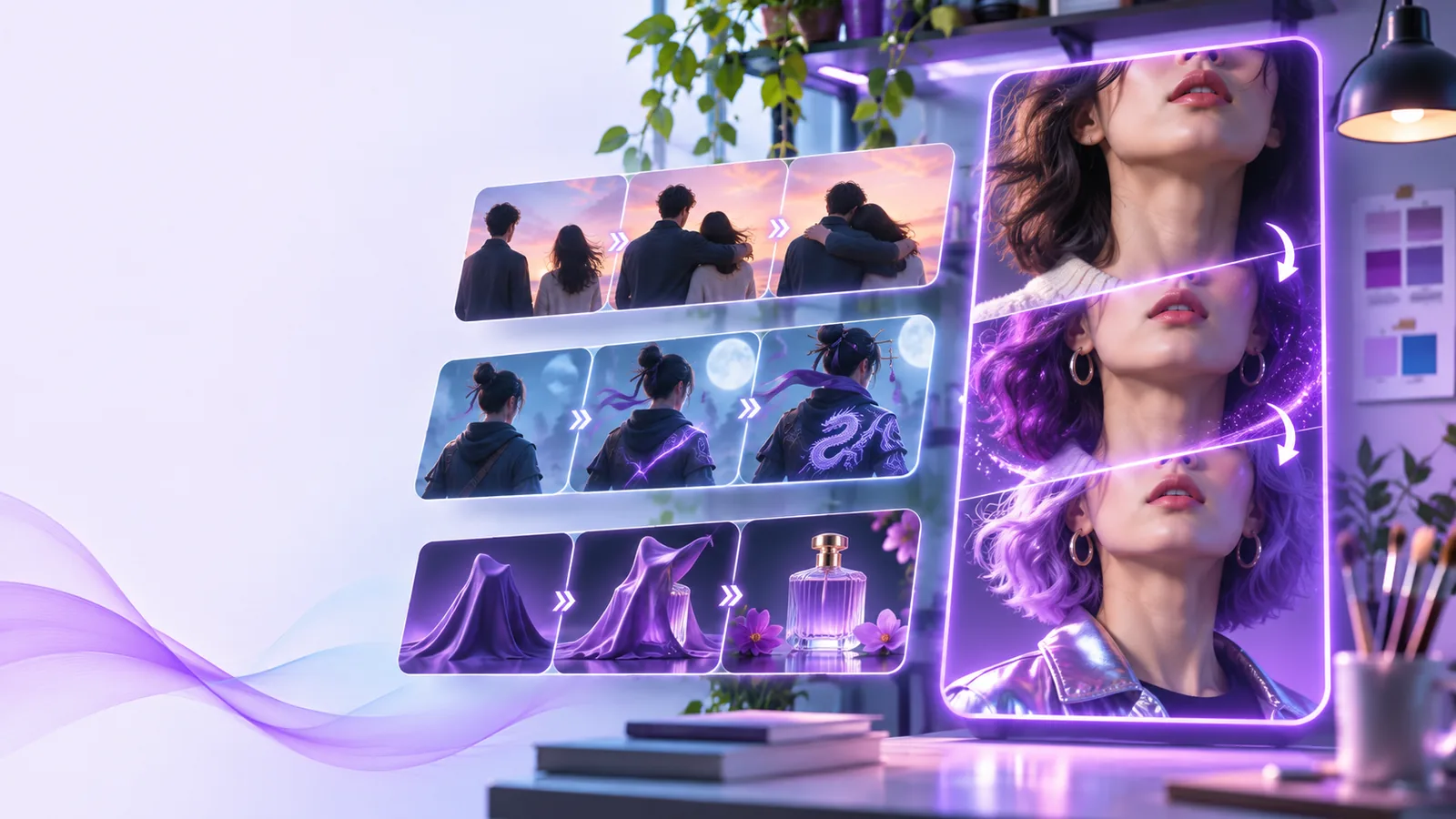
Safety discussions often collapse several different questions into one. These related guides help distinguish the tool, the workflow, and the type of face edit involved.
Face AI is not one single product or one automatic privacy policy. It is a broad label for software that detects, generates, edits, or transforms facial imagery.
A polished interface, a positive review, or a Reddit comment does not reveal what happens to an uploaded image, how long it is retained, or who can access it.
What to do instead
Read the service privacy policy and look for clear retention, deletion, and third-party processing language.
An AI edit may be technically possible even when the person shown has not agreed to the upload or the intended use.
What to do instead
Use your own image or obtain explicit permission before processing someone else’s face.
A generated or edited portrait may still resemble a real person, especially when the source image is clear or the output is shared publicly.
What to do instead
Avoid sensitive source photos, remove unnecessary metadata, and keep results private when identity could matter.
Face detection and transformation can distort features, misrepresent expressions, or produce an image that looks plausible but is not authentic.
What to do instead
Treat the output as synthetic media, review it before sharing, and label it when context could be misunderstood.
A safer workflow is less about trusting a label and more about making a few deliberate decisions before, during, and after an upload.
Before uploading, inspect the privacy notice, retention language, deletion options, and whether images may be used to improve a model.
Choose a non-sensitive image, avoid documents or private backgrounds, and confirm that every identifiable person has given permission.
Review the output for misleading details, store it securely, and do not publish it in a way that implies a real event or endorsement.
Some situations carry more risk than creative value. These evidence-based checks are useful when a face edit could affect another person’s privacy, reputation, or safety.
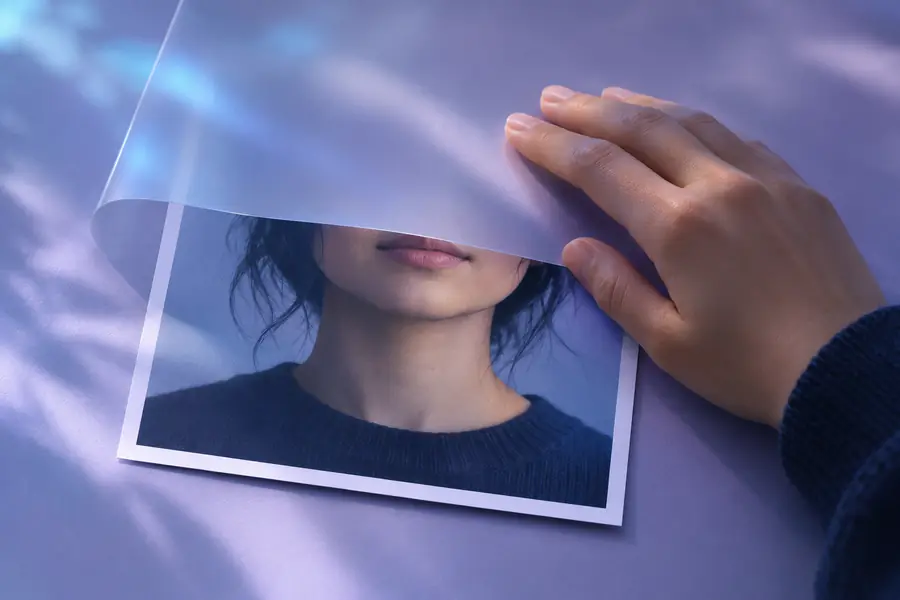

A transformation can change appearance without changing responsibility. Check consent, context, and audience before treating the edited result as harmless.
Source imageEdited resultThe right workflow depends on what you want to make and who could be affected. Start with the least sensitive path that answers your creative question.
You want to understand synthetic portraits without using a private family photo.
Start with a general concept and review the generated result as synthetic media.
You need a stylized portrait but do not want to expose a high-resolution personal image.
Use a low-sensitivity source, check the service terms, and avoid implying the result is documentary.
You are considering a face replacement for a creative scene or mock-up.
Confirm permission from everyone shown and keep the edit clearly contextualized.
You want to transform an existing portrait into a new visual direction.
Review the original image for private details and decide where the final image may be shared.
Face AI is easiest to evaluate when you define the source, consent, purpose, and audience first. If those four points are clear, you can explore the creative workflow with fewer avoidable surprises.
These answers address the safety question behind searches about face AI and the concerns commonly raised in Reddit discussions.
It depends on the specific service and how it handles uploaded images. Check its privacy policy, retention period, deletion process, and any statement about using images for model training before you upload a face.
Reddit can reveal useful user experiences, but comments are anecdotal and may describe a different version of an app or a different workflow. Use those discussions as leads, then verify the service’s current privacy and consent practices yourself.
The main risk is losing control over an identifiable image after uploading it. Retention, reuse, account access, security incidents, and unexpected sharing can all matter more than the visual result itself.
Only when you have permission and the intended use is appropriate. Avoid using another person’s face to impersonate them, suggest an event happened when it did not, or create a misleading endorsement.
Use a service with clear data practices, choose the least sensitive source image, remove unnecessary private details, and review the result before publishing. Keep synthetic images clearly contextualized when viewers could mistake them for real photographs.