A clear definition
Can AI make a face with artificial intelligence?
Yes. Can AI make a face? It can generate a new portrait, transform an existing image, or animate facial features by learning visual patterns from large collections of examples. The result may look photographic, stylized, or deliberately synthetic depending on the instructions and source material.
The basic process
How face AI works
Most face AI systems turn a visual instruction, a reference image, or both into a new portrait result through several linked stages.
-
1
Read the request
The system interprets details such as age range, expression, lighting, hairstyle, setting, and visual style. A written description gives direction, while a reference image can provide structure or identity cues.
-
2
Build facial features
A trained model combines learned patterns for eyes, skin, hair, proportions, shadows, and composition. It generates a candidate image that matches the requested relationships rather than copying one fixed face.
-
3
Refine the result
Further passes improve edges, texture, symmetry, and expression. If the task involves editing or animation, the system also tries to preserve important features while changing the requested parts.
Capability check
Can AI make a face?
A generated face can be convincing without representing a real individual. The comparison below illustrates the difference between a source portrait and an AI-assisted result.
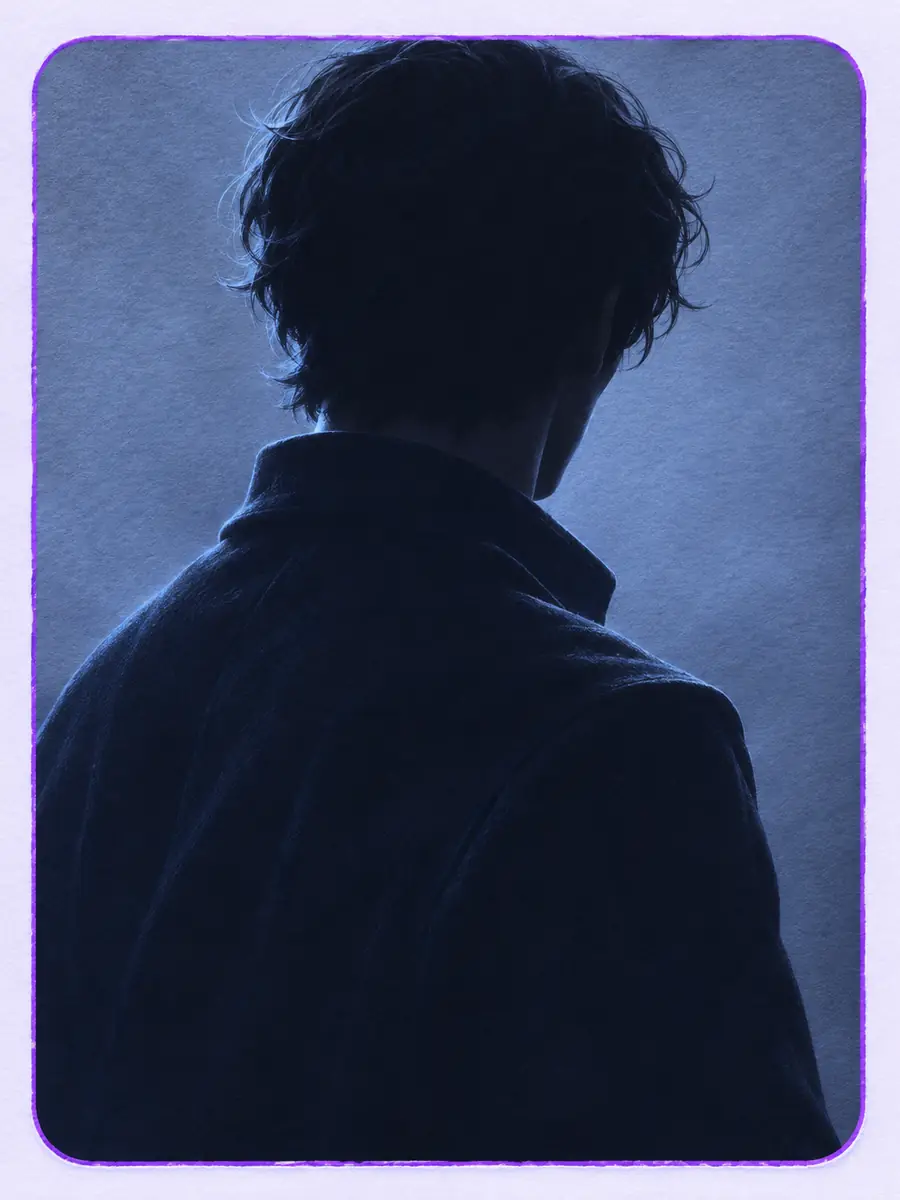

A result is an interpretation, not proof of identity.
Source referenceAI-assisted resultPractical users
Face AI is useful wherever people need to explore, explain, or adapt a portrait concept before committing to a final image. Designers may test character directions, creators may develop profile visuals, and teams may review a visual idea together. The best use is deliberate: describe the goal clearly, check the output for mistakes, and avoid presenting an invented face as a real person.
Who uses face AI?
- Creators exploring portrait and character directions
- Designers testing visual references before production
- Teams reviewing social, editorial, or campaign concepts
Common questions
Face AI FAQ
Yes. Face AI can generate a new human-looking face from a description or transform an existing portrait according to an instruction. It can also create faces that are clearly fictional or stylized rather than tied to a real person.
Not necessarily. A generated face is usually a new arrangement of learned visual patterns, although an edit using a reference image may preserve recognizable features. Treat identity, consent, and context carefully whenever a real person is involved.
It can create portraits with realistic lighting, skin texture, proportions, and expressions. Realistic-looking output can still contain errors such as uneven eyes, strange hands, inconsistent accessories, or details that change between images, so review is important.
It may work from a written description, an uploaded reference, or a combination of both. More specific guidance about expression, age range, styling, framing, and lighting can make the intended direction easier to follow, but extra detail does not guarantee a perfect result.
It may create similar results when the same reference and instructions are reused, but small details can vary between generations. Consistency depends on the tool, the reference quality, and how precisely the identity or visual traits are preserved.